
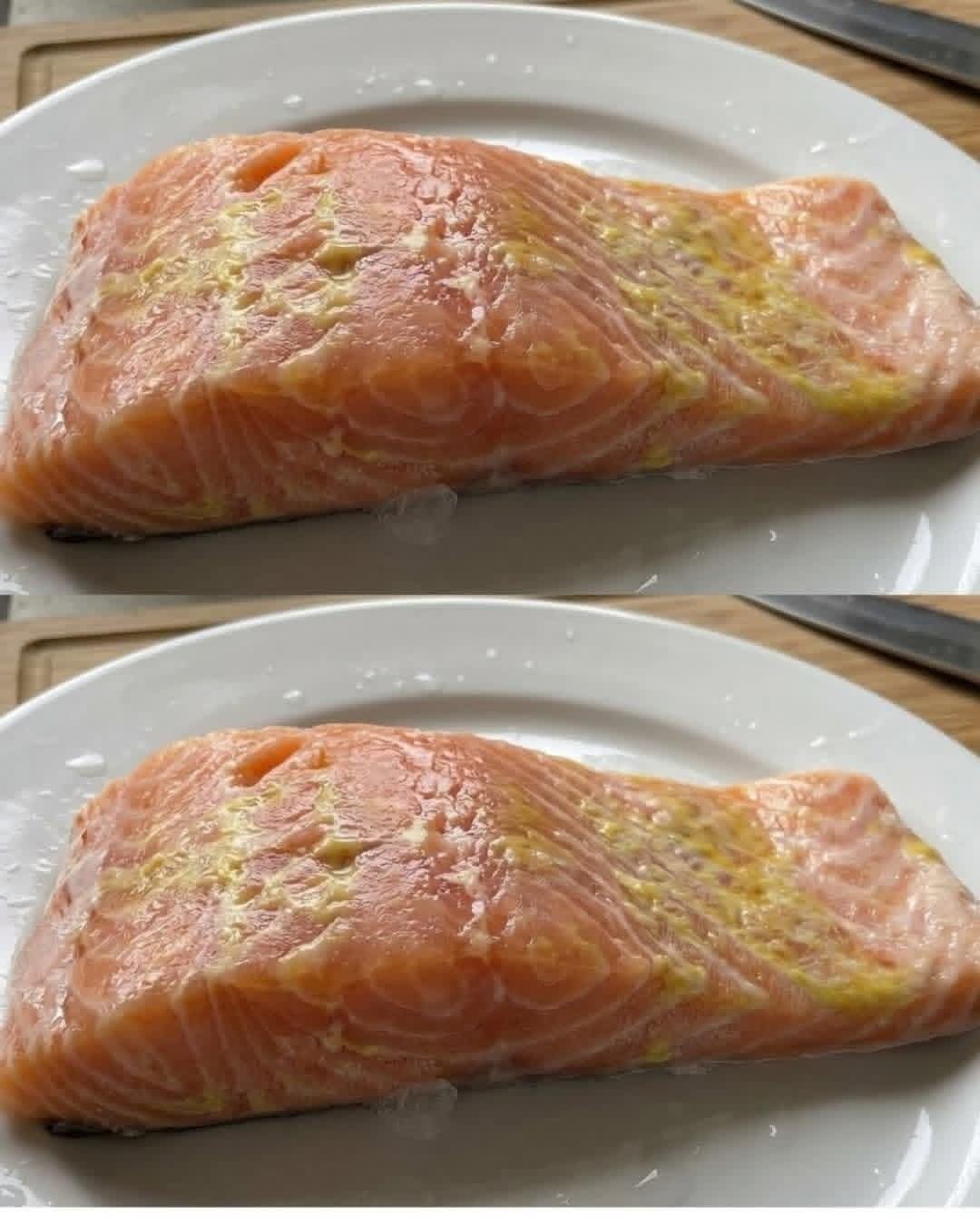
If you’ve noticed yellow or yellowish-brown discoloration on your defrosted salmon—especially along the edges or in fatty areas—it’s most likely due to oxidation of the fish’s natural fats, not spoilage. Here’s what’s happening and whether it’s safe to eat.
The Cause: Fat Oxidation (Not Spoilage)
Salmon is rich in healthy omega-3 fatty acids, which are prone to oxidation when exposed to air, light, or temperature fluctuations during freezing and thawing. This chemical reaction causes the fat to turn yellow, amber, or even slightly brown—similar to how an apple turns brown when cut.
This is especially common if:
- The salmon was frozen for a long time (beyond 2–3 months)
- It wasn’t vacuum-sealed tightly before freezing
- It experienced temperature changes (e.g., partial thawing in the freezer)
Good news: This discoloration is usually harmless and doesn’t mean the fish is spoiled—as long as it smells fresh.
When to Be Concerned: Signs of Actual Spoilage
Check for these red flags before cooking:
| Safe (Oxidation) | Unsafe (Spoilage) |
|---|---|
| Mild, ocean-like smell | Strong, sour, ammonia-like, or “rotten” odor |
| Firm texture | Slimy, mushy, or sticky surface |
| Yellow only in fatty areas | Widespread gray, green, or milky film |
| Recently frozen (<3 months) | Frozen for 6+ months with poor packaging |
If it smells “off” or feels slimy—discard it. Trust your nose: spoiled fish has a pungent, unmistakable stench.