
The Hidden Battle: Why Prostate Enlargement Sneaks Up on So Many Men
For many men, the years after 50 bring changes no one really prepares them for: more frequent urges to urinate, a weaker stream, dribbling after using the bathroom, or the frustrating feeling that the bladder never fully empties.
Medical research shows that prostate enlargement (benign prostatic hyperplasia, or BPH) becomes increasingly common with age, affecting a large proportion of men in their later decades. What starts as a mild inconvenience can gradually interfere with sleep, travel, work, and overall quality of life.
Repeated nighttime bathroom trips don’t just disrupt rest—they can contribute to fatigue, irritability, and reduced daytime focus. Over time, persistent urinary symptoms may also increase the risk of discomfort or infection if left unmanaged.
If you’ve ever paused to rate your urinary comfort and felt disappointed by the number, you’re far from alone.
Why Symptoms Often Persist Despite Treatment
Many men try medications or make dietary changes, yet still feel limited relief. One reason is that common approaches often focus on managing symptoms, while broader contributors—such as low-grade inflammation, metabolic health, and age-related hormone shifts—may receive less attention.
This has led growing interest toward nutrition and plant-based strategies that aim to support prostate health more holistically, alongside medical care—not as replacements, but as complementary tools.
Foundation 1: Cruciferous Vegetables
Broccoli, Cauliflower, Brussels Sprouts
Cruciferous vegetables contain natural compounds such as indole-3-carbinol and sulforaphane, which are being studied for their roles in hormone metabolism and inflammation regulation.
Potential benefits:
- Support healthy estrogen metabolism
- Contribute to reduced inflammatory activity
- Promote overall metabolic balance
Regular inclusion of these vegetables may help support prostate comfort as part of a balanced diet.
Foundation 2: White Button Mushrooms
White button mushrooms are a source of beta-glucans and ergosterols, compounds associated with immune and metabolic support.
Why they’re studied for prostate wellness:
- May help support healthy hormone balance
- Associated in research with prostate health markers
- Simple to include in daily meals
Rather than acting quickly, mushrooms appear to contribute gradually to long-term wellness.
Foundation 3: Lycopene-Rich Tomatoes
Lycopene is a powerful antioxidant found in tomatoes, especially when cooked.
Research suggests lycopene may:
- Help reduce oxidative stress
- Support prostate tissue health
- Contribute to improved urinary comfort
Tomato sauces, soups, and lightly cooked tomatoes provide more bioavailable lycopene than raw tomatoes.
Momentum 4: Pumpkin Seeds and Pumpkin Seed Oil
Pumpkin seeds are rich in beta-sitosterol, a plant compound studied for its potential to support urinary flow and bladder comfort.
Observed benefits in studies:
- Support more complete bladder emptying
- Help reduce urinary frequency and urgency
- Promote overall prostate comfort
A small daily serving is often used as part of dietary prostate support.
Momentum 5: Lemon Peel (Used Carefully)
Lemon peel contains compounds such as limonin, which are being explored for their influence on hormone-related pathways.
Important note:
Research in this area is still emerging. Lemon peel should be used sparingly, preferably from organic sources, and as part of a broader dietary pattern rather than a standalone approach.
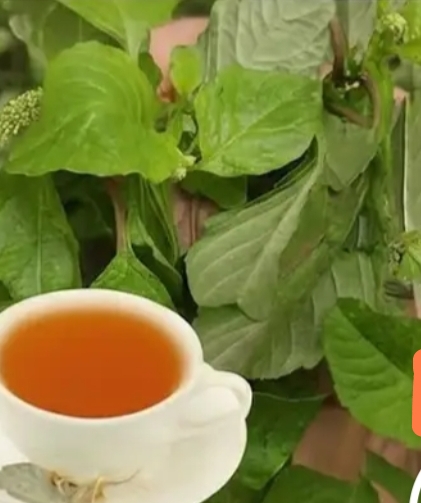
Momentum 6: Passionflower Tea
Stress and poor sleep can worsen urinary symptoms. Passionflower contains flavonoids such as chrysin, studied for their calming effects.
Potential benefits:
- Supports relaxation and sleep quality
- May indirectly improve nighttime urinary patterns
- Helps manage stress-related symptom flare-ups
Momentum 7: Stinging Nettle Root
Stinging nettle root has been traditionally used for urinary support and is studied for its interaction with hormone metabolism and inflammation.
Research suggests it may:
- Support urinary flow
- Contribute to hormone balance
- Complement other prostate-supportive nutrients
Momentum 8: Moringa Powder
Moringa is rich in antioxidants and anti-inflammatory compounds.
Potential role:
- Supports inflammatory balance
- Contributes to general metabolic health
- May indirectly support prostate comfort
Why Combination Approaches Matter
No single food or herb works in isolation. Research increasingly suggests that layering complementary dietary strategies—nutrition, stress management, movement, and medical guidance—provides the most consistent benefits.
Key areas supported:
- Hormone balance
- Inflammation control
- Urinary flow and comfort
- Sleep quality and energy
A Realistic Timeline for Dietary Support
| Timeframe | Focus | Possible Changes |
|---|---|---|
| Weeks 1–2 | Cruciferous vegetables + pumpkin seeds | Initial comfort |
| Weeks 3–6 | Add lycopene-rich foods | Improved flow |
| Month 2+ | Combine multiple supports | Sustained wellness |
The Big Picture: Supporting Prostate Health Naturally
Prostate wellness isn’t about quick fixes—it’s about consistency, balance, and realistic expectations. When dietary strategies are combined with healthy sleep, stress reduction, physical activity, and professional medical care, many men report meaningful improvements in comfort and confidenc