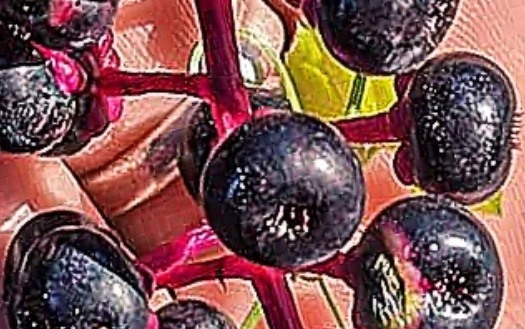
Beware of Pokeweed: The “Berry” That Looks Edible but Can Be DeadlyMany people believe that every small, dark berry resembling blueberries or blackberries is safe to eat. Unfortunately, this is far from the truth. One of the most dangerous examples is the pokeweed plant (Phytolacca americana), also known as pokeberry or inkberry.What is Pokeweed?A fast-growing wild plant that often appears in gardens, along roadsides, and in fields.Recognizable by its large green leaves, reddish-purple stems, and long hanging clusters of shiny black-purple berries.Native to North America but now found in many parts of the world.Why is it Dangerous?Despite its attractive berries, every part of the pokeweed plant contains toxic compounds, especially:PhytolaccatoxinPhytolaccigeninThese toxins are present in the roots, leaves, stems, and berries, making the entire plant poisonous.Symptoms of PoisoningEating just a few berries—especially in children—can lead to:Severe nausea and vomiting.Abdominal pain and diarrhea.Dizziness and weakness.Breathing difficulties and irregular heartbeat.In severe cases: respiratory failure, which can be life-threatening if untreated.Why Are Children at Higher Risk?The berries look shiny and appetizing, and children may mistake them for edible wild fruit. Their smaller bodies cannot handle even tiny amounts of these toxins, so the risk of severe poisoning is much higher.How to Stay SafeNever eat wild berries or plants unless you are absolutely certain they are safe.Teach children not to touch or eat unknown plants.Remove pokeweed if it grows near your home or garden.If ingestion is suspected, call emergency services or a poison control center immediately.
Pokeweed Berries: A Beautiful But Deadly Danger