
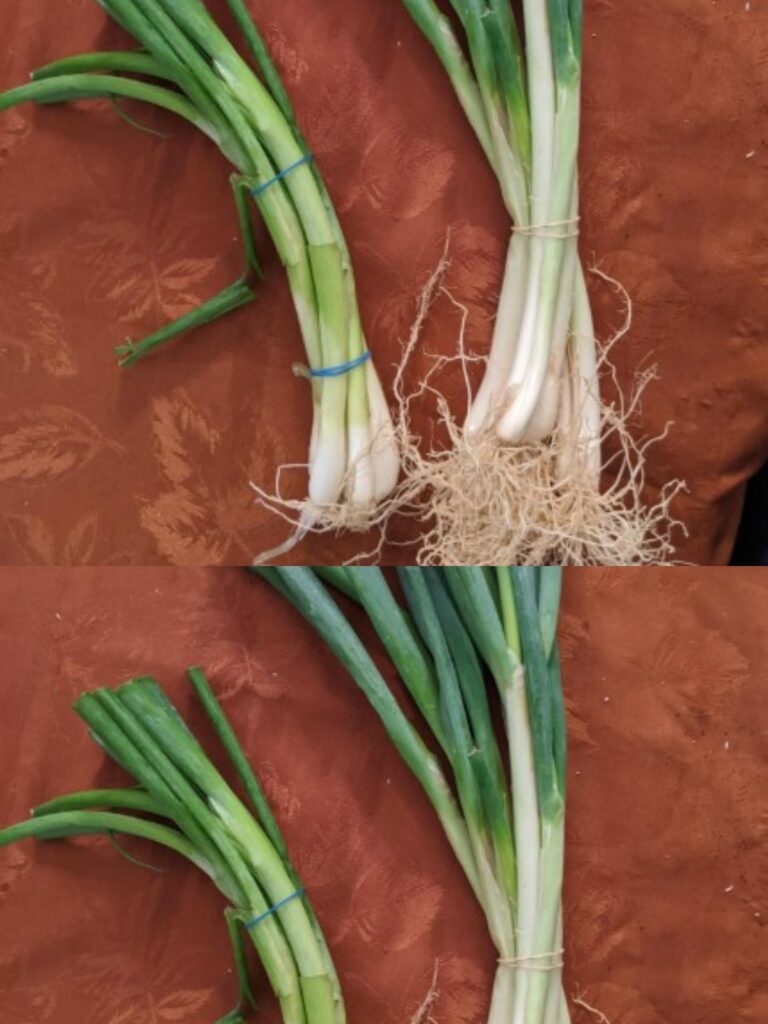
While they all look like slender green herbs, green onions, scallions, spring onions, and chives have distinct flavors and uses. Here’s a clear breakdown to help you shop and cook with confidence.
Advertisement
🧅 The Quick Answer
- Scallions & Green Onions: Technically the same thing in most grocery stores. They have a mild, fresh flavor and are your go-to for salads, garnishes, and stir-fries.
- Spring Onions: Have a more developed, sweeter, and stronger-flavored bulb. Best for grilling, roasting, or recipes where you want a more pronounced onion taste.
- Chives: The most delicate, with a subtle garlicky flavor. They are best used as a fresh garnish and should not be cooked for long.
The Detailed Breakdown
1. Scallions & Green Onions: The All-Purpose Allium
- Appearance: Long, straight green tops with small, straight white ends (no bulb).
- Flavor: Crisp, mild, and slightly peppery.
- The Truth: In everyday cooking, these terms are used interchangeably. Don’t stress about the difference at the store.
- Best Uses:
- Raw in salads, salsas, and garnishes
- Stir-fries and fried rice
- Topping for tacos, soups, and baked potatoes
2. Spring Onions: The Bold & Sweet One
- Appearance: Look for a small, but definite, rounded bulb at the base.
- Flavor: Stronger, sweeter, and more pungent than scallions due to being harvested later.
- Best Uses:
- Grilling or roasting (the bulb caramelizes beautifully)
- Soups and stews where they can hold their own
- Sautéed as a flavorful base for dishes
3. Chives: The Delicate Garnish
- Appearance: Thin, hollow, grass-like green stems. They do not have a bulb.
- Flavor: A mild, subtle onion flavor with a hint of garlic.
- Important Note: Their flavor is very delicate and is destroyed by prolonged cooking.
- Best Uses:
- A fresh finishing garnish for deviled eggs, soups, and potatoes
- Mixed into soft cheeses, dips, and compound butters
- Sprinkled over finished seafood or chicken dishes
Advertisement
📊 At-a-Glance Comparison Chart
| Ingredient | Bulb | Flavor Profile | Best For |
|---|---|---|---|
| Scallions/Green Onions | Small, straight | Mild, fresh, crisp | All-purpose; raw or quick-cooked |
| Spring Onions | Small, rounded | Stronger, sweeter | Grilling, roasting, sautéing |
| Chives | None | Delicate, mild, garlicky | Fresh garnish only |
🔄 Substitution Guide
- Scallions for Green Onions (or vice versa): ✅ Yes, perfect swap.
- Scallions for Spring Onions: ✅ Yes, but expect a milder flavor. Your dish will be less pungent.
- Spring Onions for Scallions: ⚠️ Use less, as the flavor is stronger.
- Chives for Scallions/Spring Onions: ❌ Not recommended for cooking. They are too delicate and will lose their flavor. Only use as a garnish substitute.
- Scallions for Chives: ❌ Not ideal for garnish. Scallions are too harsh and lack the subtle garlic note.
🧊 How to Keep Them Fresh
- Scallions/Green Onions: Wrap in a slightly damp paper towel, place in a plastic bag, and store in the crisper drawer. OR, stand them upright in a jar with an inch of water, cover loosely with a bag, and refrigerate.
- Spring Onions: Store like scallions, or trim the greens and place the bulbs in a jar of water in the fridge.
- Chives: Wrap in a dry paper towel, place in a sealed bag, and refrigerate. For long-term storage, chop and freeze in an ice cube tray with water or oil.
Final Tip: When in doubt, remember this rule of thumb: No bulb? It’s mild. A small bulb? It’s stronger. Hollow stems? It’s for garnish. Happy cooking
[mashshare]