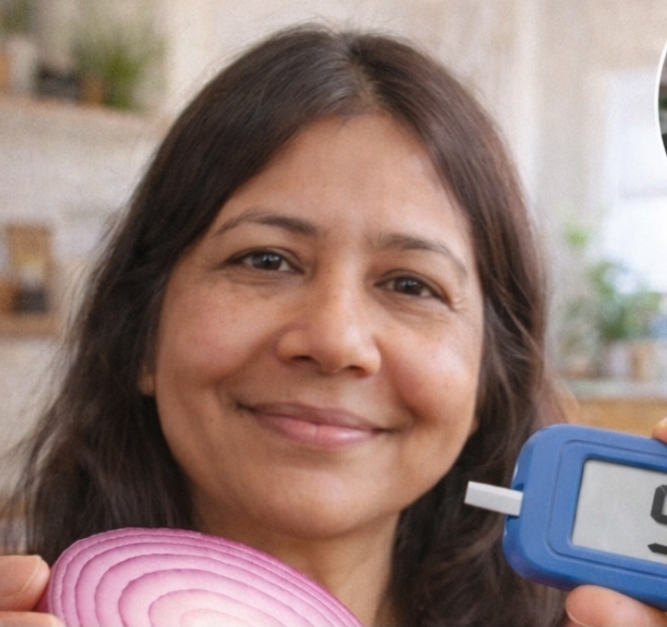
Discover How Red Onion May Naturally Support Healthy Blood Sugar LevelsDo your blood sugar levels feel unpredictable, no matter how carefully you follow your daily routine? Fatigue, excessive thirst, and concern about glucose spikes after meals affect millions of people trying to maintain metabolic balance.The good news is that everyday foods — including red onion — contain natural compounds that have been studied for their potential to support healthy blood sugar levels as part of a balanced lifestyle.What many people overlook is that how red onion is prepared and consumed can make a real difference. Keep reading to discover a simple method many people don’t know about.Why Red Onion Stands Out Among VegetablesRed onion (also known as purple onion) is far more than a flavor booster for salads or tacos. Its deep color comes from anthocyanins, plant pigments associated with antioxidant activity.What truly sets red onion apart is its high concentration of quercetin, a flavonoid widely researched for its metabolic and anti-inflammatory properties.Scientific observations suggest that quercetin and sulfur-containing compounds in onions may help:Support insulin sensitivitySlow rapid carbohydrate absorptionHelp regulate post-meal blood sugar spikesThese effects are believed to occur through mechanisms such as:Inhibition of digestive enzymes like α-glucosidaseSupport of normal pancreatic functionReduction of oxidative stress linked to blood sugar imbalance👉 Important note: Red onions generally contain higher levels of quercetin than white or yellow onions, making them especially interesting for natural dietary support.What Scientific Research SuggestsSeveral studies have explored onion consumption in relation to metabolic health:Human observations suggest that consuming around 100 g of raw onion daily was associated with reduced fasting blood glucose in some individuals with type 2 diabetes.Research reviews indicate that quercetin and organosulfur compounds may support insulin secretion and glucose uptake by cells.Animal studies have shown that onion extract may help lower glucose and cholesterol levels when combined with standard treatments, likely due to antioxidant effects.⚠️ Important: These findings are promising but mostly preliminary. Red onion is not a treatment, but a supportive food that may complement healthy habits.Additional Health Benefits of Red OnionBeyond blood sugar support, red onion offers several other wellness advantages:❤️ Cardiovascular support – helps maintain healthy cholesterol levels🛡️ Antioxidant protection – helps neutralize free radicals🦠 Digestive health – contains prebiotic fibers that nourish beneficial gut bacteria🔥 Low in calories – about 40 calories per 100 gA small addition with meaningful nutritional value.How to Add Red Onion to Your Daily Routine1. Choose Quality OnionsLook for onions that are:FirmSmooth and glossyFree of sprouts or soft spotsFresher onions generally retain higher levels of active compounds.2. Eat It Raw for Maximum BenefitsRaw red onion preserves quercetin best.Slice thinly and add to salads, tacos, or avocado dishesStart with 50–100 g per day, adjusting based on tolerance3. Simple Red Onion Tea (Infusion Method)A gentle method many people overlook:Peel and chop 1 medium red onionBoil in 1 liter of water for 10–15 minutesStrain and drink warmConsume 1–2 cups daily💡 Tip: Add lemon juice to improve flavor.4. Light Cooking OptionsLight sautéing or roasting can reduce sharpnessAvoid deep frying, which destroys beneficial compounds5. Helpful Food CombinationsRed onion pairs well with:GarlicLemonTomatoThese combinations may enhance antioxidant activity and flavor.Quick Meal IdeasFresh salad: Red onion, tomato, lime, and herbsHealthy tacos: Thinly sliced raw onion as a crunchy toppingLight soup: Add near the end of cookingGreen smoothie: A small piece blended with spinach and applePrecautions and Practical TipsRaw onion may cause bloating in sensitive individualsStart with small amounts and increase graduallyIf you use blood sugar–lowering medication, monitor levels carefullyAlways view food as support, not a replacement for medical treatmentFinal Thoughts: A Simple Everyday AllyAdding red onion to your meals is an affordable, natural, and flavorful way to support healthy blood sugar balance.It’s not a miracle cure — but when combined with balanced meals, regular movement, hydration, and medical guidance, it may contribute positively to daily wellbeing.Small habits, practiced consistently, often make the biggest difference.Frequently Asked Questions (FAQ)How much red onion should I eat daily?Most studies reference 50–100 g of raw red onion or an equivalent infusion. Adjust based on tolerance.Can red onion replace diabetes medication?No. Red onion is a dietary complement only and should never replace prescribed treatment.Is red onion safe for sensitive stomachs?Yes. Starting with cooked onion or tea may reduce irritation.
Discover How Red Onion May Naturally Support Healthy Blood Sugar Levels