
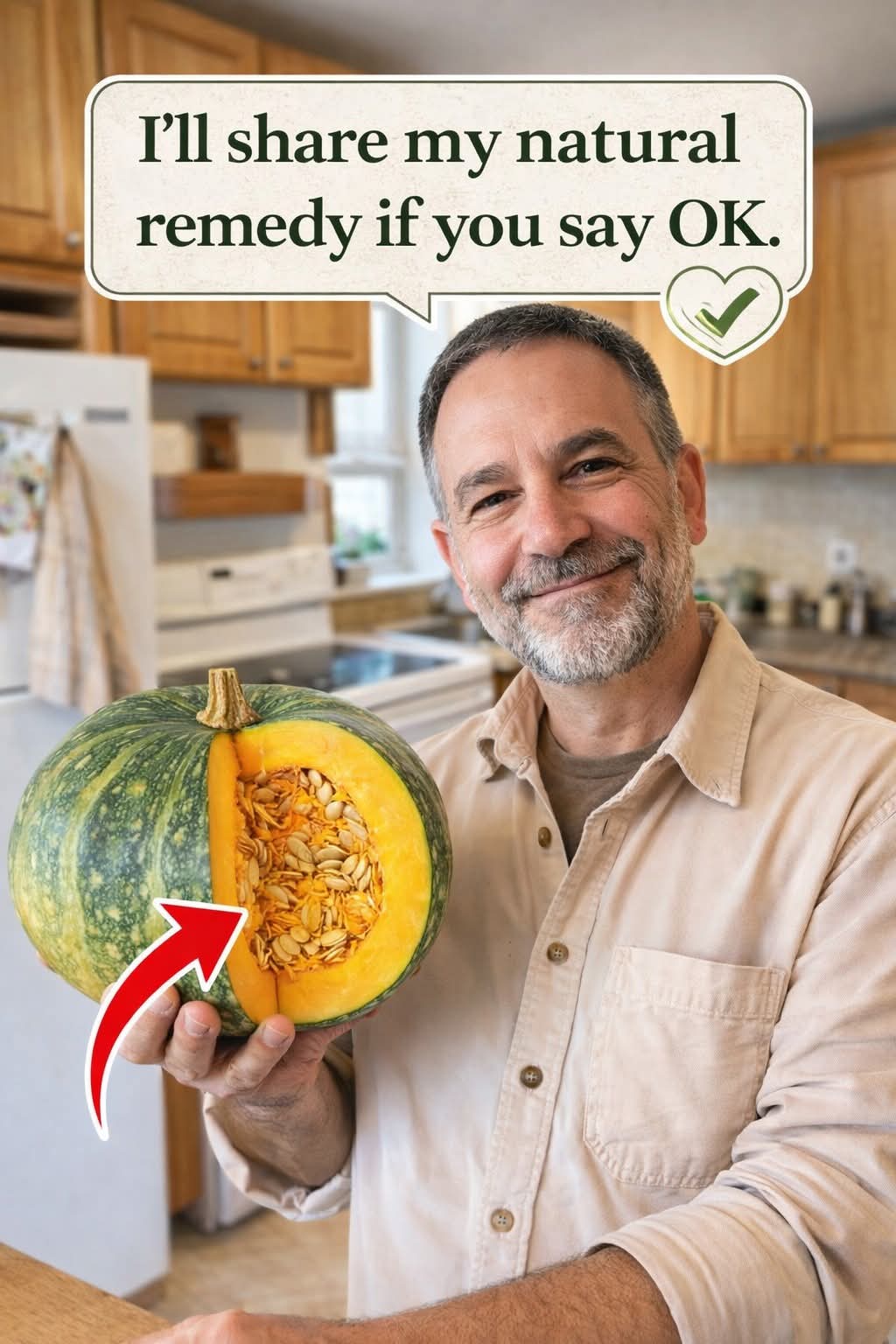
Many people struggle daily with fluctuating energy, concerns about blood sugar stability after meals, rising cholesterol numbers during check-ups, and the ongoing worry of keeping their heart in good shape as they age. These issues can feel overwhelming, quietly affecting mood, daily stamina, and long-term wellness without an obvious quick fix. The good news? Nature has offered simple, time-tested options for generations, and one stands out for its nutrient density and widespread traditional use across cultures.
What if a humble seed, often overlooked after carving jack-o-lanterns, could be a practical addition to your routine? In this article, we’ll explore pumpkin seeds (also called pepitas), an age-old traditional remedy that people have turned to for supporting overall wellness—including aspects like blood sugar balance, cholesterol levels, energy, and cardiovascular health. Research and traditional practices suggest why this might be worth considering—but remember, it’s about gentle support, not miracles.

Why Pumpkin Seeds Have Been Valued for Centuries
Pumpkin seeds come from the same squash family that’s been cultivated for thousands of years, originating in parts of the Americas before spreading globally. Traditional healers in various cultures have long incorporated them into diets for general vitality and specific wellness goals.
But that’s not all… what makes them particularly interesting today is their impressive nutrient profile. A small handful delivers magnesium, zinc, healthy fats, fiber, antioxidants, and plant compounds like phytosterols—elements linked in studies to supporting metabolic and heart functions.
Studies, including those reviewing animal and human data, point to potential roles in areas like glycemic control and lipid balance. For instance, preliminary research has observed that pumpkin seed components may influence blood sugar responses after meals and support healthier cholesterol patterns through mechanisms like fiber’s binding effects or phytosterols competing with cholesterol absorption.

Key Nutrients in Pumpkin Seeds That Support Wellness
Here’s what a typical 1-ounce serving (about a handful) of roasted pumpkin seeds offers:
- Magnesium — One of the highest natural sources, important for energy production, muscle function, and maintaining normal blood pressure.
- Healthy fats (including polyunsaturated and omega types) — These contribute to overall heart-friendly eating patterns.
- Fiber — Helps with satiety and may play a role in how the body handles sugars and lipids.
- Zinc and antioxidants (like vitamin E) — Support immune function and protect cells from everyday oxidative stress.
- Plant sterols — Naturally occurring compounds that some evidence suggests aid in maintaining balanced cholesterol.
Research from sources like Harvard Health notes pumpkin seeds as an excellent magnesium provider, while reviews in scientific journals highlight their phytosterol content for lipid support.
But here’s the interesting part…

How Pumpkin Seeds May Help Support Blood Sugar Balance
Maintaining steady energy throughout the day often ties to how the body manages blood sugar after eating. Some studies, including small human trials, have found that adding pumpkin seeds or their oil to meals may lead to a more moderate blood sugar response compared to carb-heavy foods alone.
Animal research has also suggested pumpkin-related compounds could promote insulin sensitivity and help regulate glucose levels over time. While more large-scale human studies are needed, these findings align with why people in traditional practices have included them for sustained vitality.
Potential Support for Cholesterol Balance and Heart Health
Heart wellness is a top concern for many, especially with age. Pumpkin seeds’ combination of unsaturated fats, fiber, and phytosterols has drawn attention in cardiovascular research.
- Human studies (like one in postmenopausal women) have shown modest improvements in HDL (“good”) cholesterol and blood pressure markers with consistent use.
- Animal models indicate pumpkin seed oil may help lower total and LDL cholesterol while supporting vessel flexibility through nitric oxide pathways.
- Magnesium content aids in relaxing blood vessels, contributing to normal pressure maintenance.
Organizations like the American Heart Association have noted seeds’ nutrient punch for heart-supportive diets.
And if you’re wondering about energy and overall feel-good factors…
Pumpkin seeds provide plant-based protein and iron, which can help combat occasional fatigue—especially relevant for those dealing with low energy or mild anemia concerns. Their zinc and folate add to red blood cell support.

Simple Ways to Add Pumpkin Seeds to Your Daily Routine
Ready to try? Here are actionable, easy steps to incorporate them naturally:
- Roast your own — Scoop seeds from a fresh pumpkin, rinse off pulp, pat dry, toss with a dash of salt or spices, and bake at 300°F for 30-40 minutes until golden. This enhances flavor without losing nutrients.
- Snack smart — Grab a small handful (1 oz) mid-morning or afternoon for a satisfying crunch that curbs hunger.
- Sprinkle on meals — Add to salads, yogurt, oatmeal, or soups for texture and extra nutrition.
- Blend into smoothies — Toss in a tablespoon for a nutty boost alongside fruits and greens.
- Try pumpkin seed butter — Spread on toast or apples as a peanut butter alternative.
Start small—consistency matters more than quantity. Many people notice better satiety and steady energy within weeks.
What Science and Tradition Tell Us Overall
While no single food is a cure-all, pumpkin seeds stand out as a nutrient-dense option backed by both historical use and emerging research. From supporting metabolic balance to promoting heart-friendly nutrients, they offer a gentle, natural way to enhance daily wellness.
People often report feeling more energized and satisfied when including them regularly as part of a balanced lifestyle.
FAQ
Are pumpkin seeds safe for daily use? Yes, for most people, a handful or two per day is generally well-tolerated. They’re a whole food with natural nutrients, but start slow if you have digestive sensitivities.
Can I eat the shells? Shelled pepitas are convenient, but whole roasted seeds (with thin white shells) provide extra fiber. Both work well—choose based on preference.
How do pumpkin seeds compare to other seeds for heart support? They rank high in magnesium and phytosterols compared to many nuts/seeds, making them a strong choice alongside flax or chia for variety.
Important Disclaimer: This article is for informational purposes only and not intended as medical advice. Pumpkin seeds may support general wellness as part of a healthy diet, but they are not a substitute for professional medical care. Always consult your healthcare provider before making dietary changes, especially if you have existing health conditions, take medications, or are managing blood sugar, cholesterol, or anemia. Individual results vary, and no food guarantees specific health outcomes.