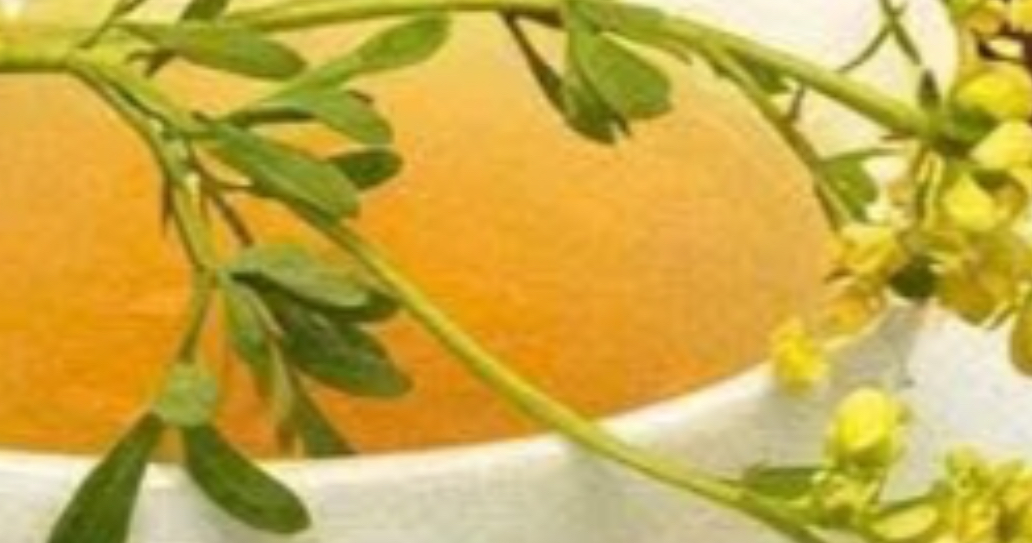
IntroductionRue (Ruta graveolens), also known simply as rue or herb-of-grace, is a perennial medicinal herb traditionally used around the world to help relieve pain and inflammation. It has a long history in herbal medicine, especially for aching joints and sore muscles.What Is Rue?Rue is a blue-green leafy shrub native to the Mediterranean but now grown globally as both an ornamental and therapeutic plant. It produces a strong aroma and contains a variety of biologically active compounds, including flavonoids like rutin, alkaloids, and essential oils that contribute to its medicinal properties.Pain-Relieving PropertiesOne of the key traditional uses of rue is for pain relief, particularly for joint stiffness, muscle soreness, and rheumatic discomfort. Herbal practitioners often attribute this to its anti-inflammatory and analgesic actions, which are believed to help reduce swelling and soothe aching tissues.How Rue Helps with Joint & Muscle PainAnti-inflammatory Compounds: Rue contains flavonoids and other phytochemicals that may help reduce inflammation associated with joint pain.Analgesic Activity: Traditional practices use rue to ease mild to moderate pain in muscles and connective tissues.Improved Circulation: Some of the bioactive components in rue are thought to support blood flow, which can help reduce stiffness and discomfort in joints.Traditional Forms of UseHerbalists have used rue in several forms for pain relief:Topical Applications: Rue leaves or extracts are sometimes made into pastes (poultices) and applied to areas of muscle or joint discomfort.Rue Tea or Infusion: Although not widely supported by modern clinical evidence, rue is traditionally prepared as a tea to support overall relaxation and mild pain relief.External Oils: Rue-infused oils may be gently massaged into sore areas to help calm inflammation.It’s important to note that traditional use does not replace medical advice, and individuals should be cautious with dosing and preparation.PrecautionsRue can be toxic in large amounts and is not safe for everyone. High doses may cause side effects, and the plant is known to have phototoxic properties (it can cause skin irritation if exposed to sunlight after application). It is especially important that pregnant women, children, and those with certain health conditions avoid rue without professional guidance.ConclusionRue is a historic herbal remedy with a strong tradition in treating joint and muscle pain. Its anti-inflammatory and analgesic constituents have made it a popular choice in folk medicine, though modern scientific evidence remains limited. If you’re considering rue for comfort, consult with a healthcare provider to ensure safe use and avoid potential risks.
Rue for Joint and Muscle Pain: Benefits, Uses & How It Works